

Preparing a yacht for winter lay-up isn’t just about protecting the hull and engines. Your fuel system needs just as much attention. Choosing the right marine fuel, understanding how it behaves in storage, and taking steps to prevent degradation are essential for a trouble-free spring start-up.
Peninsula Yacht Services supports superyachts worldwide with high-quality fuel and expert guidance, making fuel preparation an important part of any successful winter maintenance plan.
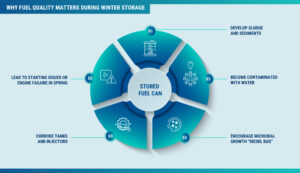
Why Fuel Quality Matters During Winter Storage
Fuel naturally degrades over time, especially when a yacht is inactive for months. Temperature fluctuations, moisture, and microbial activity can all affect fuel stability. Without proper preparation, stored fuel can:
- Develop sludge and sediments
- Become contaminated with water
- Encourage microbial growth (“diesel bug”)
- Corrode tanks and injectors
- Lead to starting issues or engine failure in spring
Treating and storing fuel correctly protects the yacht’s engines, reduces maintenance costs, and ensures a smooth return to service.
Diesel vs. Gasoline: How They Behave in Storage
Marine Diesel Fuel
Most yachts operate on diesel. While diesel is more stable than gasoline, it remains vulnerable to water contamination and microbial growth. If water enters a tank, often through condensation, bacteria and fungi can multiply at the fuel-water interface, creating sludge and acids that clog filters and corrode fuel systems.
Peninsula greatly minimises these risks by supplying FAME-free diesel whenever possible. FAME (biodiesel content) attracts moisture and increases microbial activity, so avoiding it is beneficial for long-term storage.
Gasoline (Petrol)
Tenders, jet skis, and smaller craft commonly use gasoline. Unlike diesel, gasoline oxidises quickly, forming gums and varnish that can foul injectors and carburettors. It also absorbs moisture more readily and evaporates at a faster rate.
For winter storage, gasoline should always be treated with a stabiliser. Some smaller engines may even require tanks to be drained, depending on manufacturer guidelines.
Key Risks During Winter Storage
1. Condensation
An under-filled tank allows moist air to circulate inside. When temperatures drop, condensation forms on tank walls and eventually settles into the fuel. Even small amounts of water can compromise fuel quality.
2. Microbial Growth
Microbes thrive where water and diesel meet. Over time, they create sludge, block filters, and can lead to significant engine performance issues.
3. Fuel Degradation
Both diesel and gasoline degrade when exposed to air, water, or warm temperatures. Oxidation, sludge formation, and varnish are common symptoms of neglected fuel.

Best Practices for Winter Fuel Storage
Fill the Tanks
A nearly full tank reduces airspace and significantly lowers the risk of condensation forming. This simple step is one of the most effective ways to keep fuel stable through winter.
Inspect Caps, Seals, and Vents
Ensure all tank openings are properly sealed to prevent water ingress. However, tanks must still be properly vented to accommodate thermal expansion.
Use Fuel Additives
Adding a high-quality stabiliser or diesel conditioner helps:
- Prevent microbial activity
- Protect against oxidation and corrosion
- Keep water suspended so it can burn safely
- Maintain fuel freshness for months
After adding stabilisers, it’s best to run the engines briefly to circulate treated fuel throughout the system.
Change Filters and Drain Water Separators
Starting winter with clean filters and empty water separators helps protect the engine from any remaining moisture or contaminants.
Consider Fuel Polishing or Filtration
Fuel polishing is particularly helpful for yachts stored long-term or in humid climates. The process removes water, sludge, and particulates, ensuring the fuel remains clean and reliable. Peninsula can coordinate polishing services through trusted global partners.
Regular Testing
Fuel testing before and after winter storage helps detect early signs of contamination. Peninsula’s in-house Quality Control team goes beyond industry standards, providing detailed analysis for any yacht requiring peace of mind.
How Peninsula Supports Winter Fuel Management
Peninsula Yacht Services offers:
- High-grade marine diesel and gasoline
- FAME-free AGO/EN590 diesel where possible
- Sustainable fuels such as BFuture HVO
- Global delivery to major yachting hubs
- Additives and fuel system treatments
- Fuel quality testing and sampling
With one point of contact and a global network, Peninsula ensures yachts receive the right fuel, on specification and on time — no matter where they winter.

HVO and winter
HVO is a paraffinic, synthetic diesel fuel that offers strong advantages to the winter layup, particularly for yachts seeking both operational reliability and a reduced environmental impact.
From a storage and maintenance perspective, HVO addresses the many challenges presented by conventional diesel.
- Outstanding storage stability: HVO is highly resistant to oxidation and ageing, even in long periods of inactivity
- Zero FAME content: eliminating the primary cause of moisture attraction and microbial growth
- Reduced risk of diesel bug: microbes struggle to survive without FAME and free water
- Cleaner tanks and fuel systems: fewer deposits, less sludge, and reduced filter loading
- Cold-weather performance: consistent quality and reliable flow characteristics in low temperatures
For yachts laid up for extended periods, wintering in humid climates, or operating with infrequent fuel turnover, HVO significantly reduces fuel-related risks while supporting emissions reduction goals. Peninsula supplies sustainable HVO solutions such as BFuture HVO, ensuring fuel quality, traceability, and global availability.
Conclusion
Marine fuel plays a critical role in winter yacht maintenance. By selecting high-quality fuel, filling tanks, using stabilisers, maintaining filtration, and partnering with fuel specialists like Peninsula Yacht Services, yacht owners and captains can ensure their vessels remain protected throughout the off-season.