
For yacht owners, fuel quality is not a background detail. It is a direct factor in engine performance, reliability, and long-term protection of your vessel. Clean, stable fuel supports efficient combustion, reduces wear on vital components, and helps prevent costly breakdowns at sea. This is why marine fuel testing is essential for anyone serious about protecting their yacht’s engine investment.
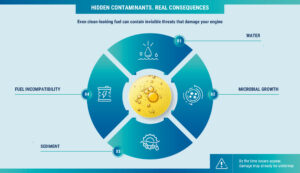
Even fuel that looks fine can contain hidden contaminets. Water, microbial growth, sediment, and incompatible fuel blends can all affect yacht fuel quality without obvious warning signs. By the time symptoms appear in the engine, damage may already be underway. A structured fuel monitoring and testing process gives yacht owners the visibility they need to act early and avoid disruption.
Why fuel quality monitoring matters
Fuel quality can change from the point of delivery through storage and use onboard. Temperature changes, condensation, poor tank conditions, and contamination during bunkering all increase the risk of fuel degradation. When fuel quality is not monitored regularly, the result can be reduced efficiency, blocked filters, injector problems, corrosion, and unexpected engine failure.
Consistent marine fuel testing helps identify problems before they become expensive repairs. It also gives captains, engineers, and yacht managers confidence that the fuel system is operating as it should. In a sector where reliability and performance are non-negotiable, monitoring yacht fuel quality is a practical safeguard, not an optional extra.
Common sources of fuel contamination
Fuel contamination can come from several different sources, and often more than one issue is present at the same time. Water is one of the most common threats. It can enter tanks through condensation, leaks, or poor handling during bunkering. Once water is in the system, it can encourage microbial growth and contribute to internal corrosion.
Microbial contamination is another serious concern. Bacteria and fungi can develop in the boundary layer between water and fuel, creating sludge and acidic byproducts that damage tanks and fuel lines. Sediment, rust, and other particulates may also be introduced during transport or storage, eventually clogging filters and affecting engine performance.
Fuel contamination may also result from the use of incompatible fuel blends or from fuel that has simply degraded over time. This is why fuel quality should not be assumed based solely on supplier reputation, as conditions during transport, storage and onboard handling can still affect fuel integrity.
Testing methods that protect yacht engines
Effective marine fuel testing uses a combination of onboard checks and laboratory analysis. Each method helps build a clearer picture of fuel condition and potential risk.
Water content testing is one of the most important checks because even small amounts of water can create conditions for microbial growth and corrosion. Particulate analysis is also valuable, as it identifies dirt, sludge, and debris that can interfere with filtration and fuel injection.
Laboratory testing can also assess key fuel properties such as density, viscosity, sulphur content, and flash point. These measurements help assess whether fuel meets specification limits and remains suitable for engine use. Together, these tests create a more complete understanding of yacht fuel quality and help support better maintenance decisions.
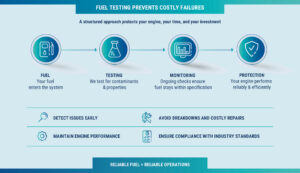
A practical fuel monitoring routine may include:
- Sampling fuel before and after bunkering
- Checking tanks for water accumulation
- Testing for microbes, sediment, and contaminants
- Reviewing fuel properties against specification standards
Quality standards that matter
Fuel quality standards provide an important benchmark for safe and reliable operation. ISO 8217 is widely recognised in the marine industry and sets requirements for marine fuels, including limits related to contamination and fuel composition. MARPOL Annex VI is also important because it governs sulphur emissions and environmental compliance, making fuel quality management part of a wider operational responsibility.
When fuel is tested against recognised standards, yacht owners gain greater assurance that the fuel will perform as expected and remain compatible with onboard systems. This is especially important for yachts operating across different regions, where fuel sourcing and handling conditions may vary.
The cost of ignoring fuel quality
Ignoring fuel contamination can quickly become expensive. A small issue in the fuel system can lead to reduced engine efficiency, frequent filter changes, injector fouling, corrosion, and emergency repairs. It can also result in downtime that disrupts travel plans and affects the overall ownership experience.
For yacht operators, the financial impact is not limited to repair costs. Lost time, cancelled itineraries, and emergency service requirements can be even more disruptive. Regular marine fuel testing is a relatively small investment compared with the cost of engine damage or operational interruption.
Protect your yacht with Peninsula’s fuel quality assurance services
At Peninsula, we understand that reliable performance begins with trusted fuel. Our fuel quality assurance services are designed to help yacht owners and operators protect their engines, maintain efficiency, and reduce the risks associated with fuel contamination.
With Peninsula’s support, yacht owners can benefit from structured quality control, industry‑leading sampling practices, coordination with accredited testing partners, and expert guidance tailored to the yachting sector.
When engine protection matters, fuel quality cannot be left to chance. Choose Peninsula’s fuel quality assurance services for confidence, compliance, and complete peace of mind.